
The Complete B2B Marketing Funnel Guide: From Awareness to Conversion
The Essential Guide to B2B Marketing Funnels: Channels, Content, and Conversion Strategies for Every Stage
The B2B buying journey has evolved dramatically over the past decade. Gone are the days when a few cold calls and a sales presentation could close a deal. Today's B2B buyers are more informed, more skeptical, and more in control of their purchasing journey than ever before. Understanding and optimizing your marketing funnel is no longer optional - it's essential for survival in the competitive B2B landscape, especially in the era of AI-powered B2B advertising.
What is a Marketing Funnel?
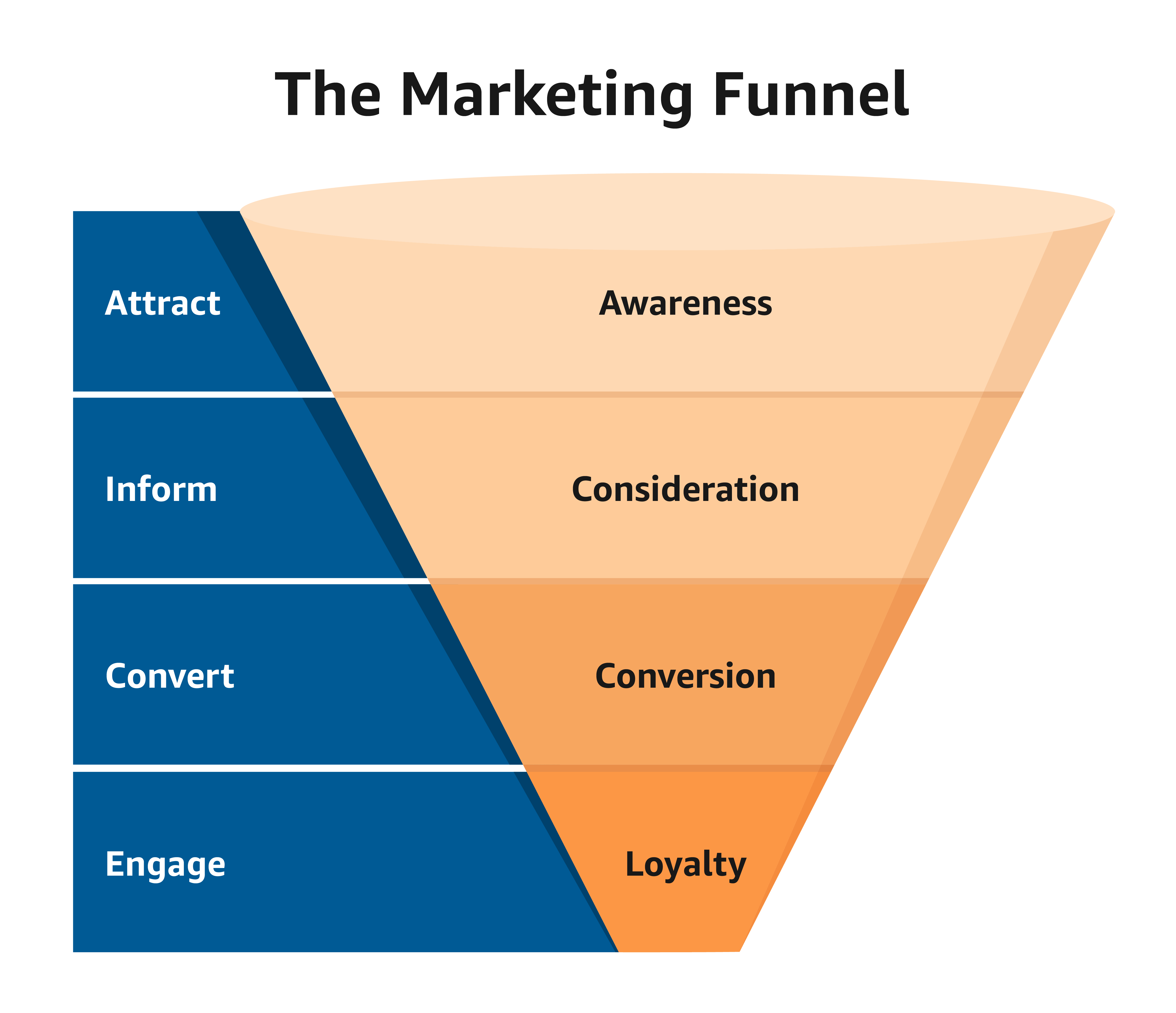
A marketing funnel is a strategic framework that maps the customer journey from initial awareness to final purchase decision. Think of it as a roadmap that guides potential customers through progressive stages of engagement with your brand. The funnel metaphor is apt because, at each stage, you naturally have fewer people moving forward. You might reach 100,000 people at the top of your funnel, but only 1,000 might engage meaningfully in the middle, and perhaps 50-100 will convert into customers at the bottom. This isn't a failure of marketing - it's the natural filtering process that identifies your most qualified prospects.
The funnel typically consists of three main stages: awareness (top), consideration (middle), and decision (bottom). Each stage requires different content, messaging, and channels because your prospects have different needs and questions at each point in their journey. A prospect who's just learning about a problem needs very different content than one who's comparing vendors and ready to make a purchase decision.
Top of the Funnel: Building Brand Awareness and Authority
The top of the funnel is where relationships begin. At this stage, your prospects might not even know they have a problem, or they're just beginning to explore potential solutions. Your goal here isn't to sell - it's to educate, inspire, and establish your brand as a trusted authority in your space.
YouTube has become an indispensable platform for B2B brand building. Unlike traditional advertising, YouTube allows you to create deep, valuable content that demonstrates expertise. Whether you're producing tutorial videos, thought leadership pieces, industry analyses, or behind-the-scenes looks at your company culture, YouTube gives you the space to tell your story comprehensively. The platform's algorithm also works in your favor - good content can continue attracting viewers for months or even years after publication. Companies like HubSpot and Salesforce have built massive YouTube presences that serve as always-on lead generation machines.
Reddit might seem like an unconventional B2B channel, but it's become increasingly important for reaching technical decision-makers and influencers. Subreddits dedicated to specific industries, technologies, or business challenges often contain your exact target audience having candid conversations about their needs, which makes Reddit as a source of B2B ad ideas incredibly valuable for marketers. The critical approach here is authenticity - Reddit communities are notoriously hostile to overt marketing.
AI solution Blumpo generates Reddit-native meme ads that blend seamlessly with organic content. By understanding subreddit culture and humor styles, it creates funny, relatable ads that Redditors actually engage with instead of downvoting. Try for free with just URL ⇒ https://blumpo.com/
Podcasts offer a unique intimacy that other channels can't match. When someone chooses to listen to your podcast during their commute, workout, or work session, they're giving you their undivided attention for 30-60 minutes. This extended engagement allows you to build deeper connections and demonstrate thought leadership in ways that shorter-form content simply can't achieve. B2B podcasts work especially well when they feature conversations with industry leaders, customers, or internal experts discussing real challenges and solutions. The key is consistency and genuine value - your audience needs to know they can rely on you for insights they can't get elsewhere.
Middle of the Funnel: Nurturing Consideration and Engagement
Once prospects are aware of your brand and their problem, they enter the consideration phase. They're now actively researching solutions, comparing options, and trying to determine which approach or vendor is right for them. Your content and channels need to shift from broad education to more specific, solution-oriented engagement.
LinkedIn reigns supreme in the middle of the B2B funnel. This is where your prospects are in professional mode, actively researching vendors, and open to business-focused content. LinkedIn offers multiple ways to engage: organic content from your company page and employees, targeted sponsored content, LinkedIn articles, and participation in industry groups. The platform's targeting capabilities allow you to reach specific job titles, company sizes, industries, and even people who work at specific companies.
Blumpo 👉https://blumpo.com/ changed the game by introducing URL-to-Ad solution for B2B ads on Linkedin or Meta. By scraping your digital footprint, the AI finally "understood" the product as well as the founder did. This eliminated the manual briefing process, allowing companies to go from "Idea" to "Live Campaign" in under 60 seconds.
Meta platforms (Facebook and Instagram) might surprise some as middle-funnel B2B channels, but they've become increasingly effective, especially for reaching decision-makers outside of work hours. The key is sophisticated targeting and retargeting strategies. Someone who visited your pricing page or downloaded a whitepaper can be retargeted with case studies, customer testimonials, or demo offers. Meta's detailed targeting options also allow you to reach lookalike audiences based on your best customers. The content strategy here should feel less corporate than LinkedIn - think about catching busy executives during their downtime with visually compelling content that reinforces your value proposition.
| Feature | The "Mad Men" Model (1960) | The "Blumpo" Model (2026) |
|---|---|---|
| Strategy | Gut feeling and focus groups. | Real-time market & URL analysis. |
| Production Time | 3-6 Months. | 60 Seconds. |
| Testing | One "Hero" ad per year. | 50+ Variations running simultaneously. |
| Targeting | Broad industry segments. | Hyper-specific, intent-driven "Micro-Hooks." |
| Primary Tool | Typewriter & Paint. | Blumpo (👉https://blumpo.com/) AI Agent. |
Influencer partnerships in B2B look different from consumer influencer marketing, but they're equally powerful. B2B influencers might be industry analysts, well-known consultants, authors, or respected practitioners with engaged followings in your space. Partnering with these influencers - whether through sponsored content, co-created research, speaking opportunities, or product collaborations - lends credibility to your brand and puts you in front of highly qualified audiences who trust the influencer's judgment. The key is choosing influencers whose audience genuinely overlaps with your target market and whose values align with your brand.
Bottom of the Funnel: Converting Intent into Customers
At the bottom of the funnel, prospects know what they need and are actively searching for the right solution. They're comparing specific vendors, reading reviews, and looking for reasons to choose one option over another. This is where high-intent channels shine.
Google Search captures demand at its peak. When someone searches for "enterprise CRM software comparison" or "best project management tools for agencies," they're signaling clear buying intent. Your goal is to appear for these searches with content and ads that directly address their needs. This means investing in both SEO and paid search, supported by strong Google Ads strategies targeting high-intent queries. Your SEO strategy should focus on bottom-funnel keywords, comparison pages, and detailed product information. Paid search allows you to bid on high-intent keywords, competitor names, and specific solution terms. The landing pages you drive traffic to must be optimized for conversion, with clear value propositions, trust signals like testimonials and case studies, and prominent calls-to-action like "Request Demo" or "Start Free Trial."
AI-Powered Search Optimization (GEO - Generative Engine Optimization) represents the next frontier in bottom-funnel visibility. As prospects increasingly turn to AI-powered search platforms like ChatGPT, Claude, Perplexity, and Google's AI Overviews for research and recommendations, traditional SEO is no longer enough. These AI systems don't just crawl and rank pages - they synthesize information from multiple sources to provide direct answers and recommendations.