
13 Proven Lovable Growth Tactics to Scale from Zero to $200M ARR
The Lovable playbook for building category-defining companies through founder-led marketing, creative diversity, and brand obsession
Scaling a startup to $200M ARR isn't about luck—it's about execution. The companies that break through do three things exceptionally well: they leverage founder-led marketing to build authentic connections, they maintain creative diversity to cut through the noise, and they invest heavily in top-of-funnel brand awareness with memorable positioning. Here are 13 battle-tested tactics that actually moved the needle for one of the honest AI start-ups lovable
1. Lead from the Front: Founder-Led Marketing
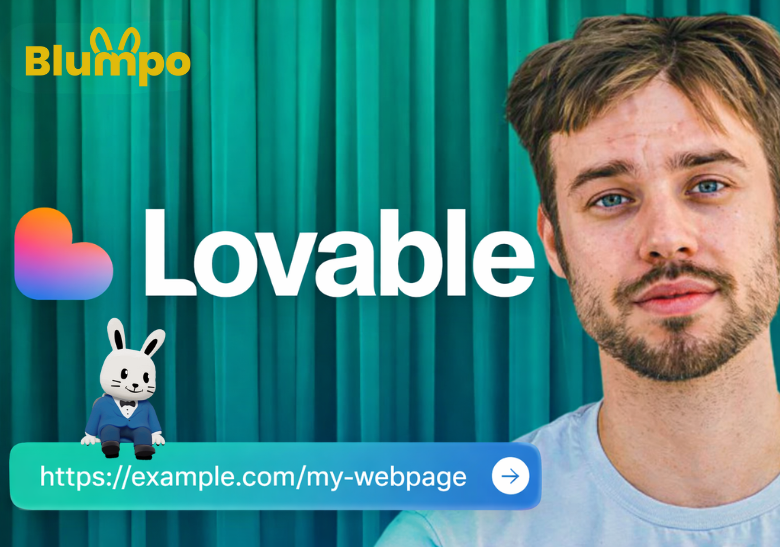
Your founder is your most powerful growth engine. Period.
Authentic founder voices build trust faster than any ad campaign ever will. Have your founder share learnings on LinkedIn, Twitter/X, and podcasts. Document the journey—the failures, the pivots, the late-night breakthroughs. People buy from people, not faceless companies.
This isn't just about reach—it's about building a movement around your vision. When Brian Chesky shares Airbnb's design philosophy or when Tobi Lütke tweets about building Shopify, they're not just marketing—they're creating believers. Every founder has a story. That story is your competitive moat.
Action items:
- Commit to 3 founder posts per week minimum
- Start a founder podcast or appear on 2 podcasts monthly
- Share company metrics, challenges, and lessons learned transparently
- Make the founder the face of every major announcement
2. Nail Your Memorable Name & Positioning
You can't scale what people can't remember.
Your company name should be distinctive, easy to spell, and ideally evoke something about what you do. Stripe. Notion. Figma. These names stick because they're simple and ownable.
Once you have the name, own your positioning ruthlessly. Be the "X for Y" company. Be the company that solves [specific problem] for [specific person]. Don't try to be everything to everyone. Slack didn't say "we're a communication tool"—they said "where work happens." That clarity compounds over time.
The test: Can a customer explain what you do to their colleague in one sentence? If not, you haven't nailed positioning yet.
3. Go All-In on Top-of-Funnel Brand Awareness
Here's the uncomfortable truth: Most B2B companies under-invest in brand by 10x.
They obsess over bottom-funnel conversion optimization while competitors with weaker products but stronger brands win the deals. Why? Because buyers already know their name, trust their expertise, and believe they're the category leader.
Invest in sponsorships, thought leadership, PR, community events, conferences, and yes—even billboards in strategic markets. Datadog didn't become a household name in infrastructure by optimizing CPC. They blanketed developer conferences, sponsored every major tech event, and made sure every engineer knew their name before ever needing a monitoring solution.
Brand awareness is the multiplier that makes every other channel work better. Your paid ads convert higher. Your cold emails get opened. Your sales calls start warm.
The math: A strong brand can reduce CAC by 50% while increasing deal sizes by 30%. That's not marginal—that's existential.
4. Embrace Creative Diversity with Tools Like Blumpo
Creative fatigue is the silent killer of performance marketing.
The winning ad creative today loses 30% of its effectiveness in two weeks. By week four, it's dead. You need constant creative refresh across every channel—Facebook, LinkedIn, display, video, native ads.
The problem? Most marketing teams can't keep up. They're bottlenecked by design resources, approval processes, and the sheer volume needed to stay competitive.
This is where tools like **Blumpo (try for free on** https://blumpo.com/) become game-changers. Blumpo enables rapid creative experimentation—helping you test dozens of variations, formats, and messages to find what actually resonates with your audience. Different hooks, different value props, different visual styles. You're not guessing anymore—you're systematically discovering what works.
Diverse creative isn't a nice-to-have anymore. It's survival in a saturated market. The companies winning at scale are running 50+ creative variations simultaneously and killing losers fast.
Pro tip: Budget for creative production should be 30-40% of your media spend. If you're spending $100K on ads with only 3 creatives, you're leaving money on the table.
5. Founder-Led Content: Build Your Thought Leadership Moat
Founder-led marketing isn't just about being visible—it's about being valuable.
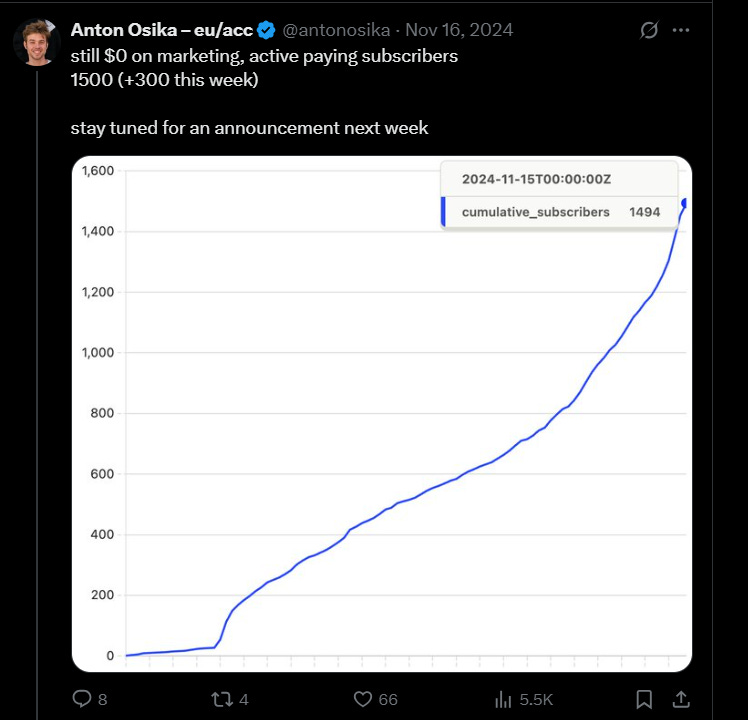
Have your founder publish consistently: weekly LinkedIn posts, monthly deep-dive essays, quarterly webinars or conference talks. Share contrarian takes on industry trends. Create frameworks and coin terms. Give away the insights that others would gate.
When your founder becomes synonymous with innovation in your space, every product launch becomes an event. People pay attention because they've gotten value for months or years before you asked for anything.
This compounds exponentially. Year three of consistent founder content is 50x more powerful than month three. Reid Hoffman, Marc Andreessen, and Sahil Bloom didn't build their audiences overnight—they showed up for years.
The founder content stack:
- LinkedIn for daily/weekly insights (200-500 words)
- Long-form blog posts or newsletter (1,500+ words monthly)
- Podcast appearances (2-4 per quarter)
- Conference speaking (2-3 major events per year)
- Twitter/X for real-time commentary and networking
6. Community-Led Growth: Turn Users into Evangelists
The fastest path to $200M ARR includes passionate community members who sell for you.
Build Slack communities, Discord servers, Circle forums—wherever your customers naturally gather. Host virtual and in-person events. Create certification programs. Launch user conferences.
When users identify with your brand, they become your distributed sales team. Every community member has a network. Activate it.
Look at how Notion grew: they built a community of power users who created templates, tutorials, and content. Those users brought their teams, their companies, their followers. Community-led growth has better retention, higher NPS, and lower CAC than any paid channel.
Community ROI metrics:
- Community members have 3x higher lifetime value
- 40% of new customers come from community referrals
- Community-sourced content reduces content production costs by 60%

7. Strategic Partnerships: Borrow Authority and Distribution
Partner with established players to access their distribution and credibility.
Co-marketing campaigns, integration partnerships, and channel partnerships can compress years of growth into quarters. Find the companies your ICP already trusts and build bridges.
A partnership with the right logo can unlock enterprise deals that would take years to close independently. When Stripe partners with Salesforce or when Figma integrates deeply with Slack, both companies win—but the smaller, newer company wins more.
Partnership tiers to prioritize:
- Integration partnerships (technical + GTM alignment)
- Co-marketing campaigns (shared events, content, webinars)
- Reseller/channel partnerships (they sell, you fulfill)
- Strategic investment partnerships (capital + distribution)
8. Founder Sales: Close the First 100 Deals Yourself
Founders should sell directly until they've closed at least 100 customers.
This isn't scalable—that's the point. You need deep customer empathy. You need to hear every objection firsthand. You need to prove the playbook works before hiring a sales team.
Founder-led sales also converts at 3-4x the rate of early sales hires because customers buy into the vision, not just the product. They're betting on you. That emotional connection drives deal velocity, reduces price sensitivity, and creates advocates.
Once you've closed 100 deals, you can codify the playbook, hire your first AE, and scale. Not before.
9. Product-Led Growth: Let the Product Sell Itself
The best products sell themselves—or at least start the conversation.
PLG isn't just for bottoms-up SaaS. It's a philosophy: reduce friction, deliver value instantly, and let users experience the magic before asking for money.
Free trials, freemium tiers, self-serve onboarding, transparent pricing—these aren't just distribution tactics, they're trust-building mechanisms. When someone can start using your product in under 5 minutes and get value in under 30, they become believers fast.
PLG principles:
- Time-to-value under 30 minutes
- Self-serve signup (no sales call required)
- Usage-based pricing (align cost with value)
- Built-in virality (invite teammates, share outputs, collaborate)
10. SEO & Content Marketing: Own Your Category Keywords
If you're not on page one of Google for your category keywords, you're invisible.
Invest in programmatic SEO, pillar content, and educational resources. Create the definitive guides. Rank for bottom-funnel keywords ("best [your category] for [use case]") and top-funnel keywords ("how to [solve problem]").
HubSpot didn't become a $30B company by accident—they owned "inbound marketing" through relentless content creation. Ahrefs owns the SEO tools category because they publish the best SEO education content on the internet.
Content marketing ROI timeline:
- Months 1-6: Low traffic, building authority
- Months 6-12: Traffic inflection point
- Months 12-24: Compounding returns, top rankings
- Months 24+: SEO becomes your highest ROI channel

11. Performance Marketing at Scale: Master the Unit Economics
Once you've proven PMF and have a repeatable sales motion, it's time to pour gasoline on the fire.
But performance marketing at scale requires discipline. Know your CAC, LTV, payback period, and contribution margin by channel. Most companies scale too fast and destroy unit economics. Don't be one of them.
The rule: Don't scale a channel past the point where CAC payback exceeds 12 months (18 months max for enterprise). And always test new channels at 10% of budget before scaling.
Channels to master in order:
Google Search (high intent, best ROI)
LinkedIn Ads (B2B targeting precision)
Facebook/Instagram (audience building + retargeting)
Programmatic display (awareness at scale)
Out-of-home (billboards, transit, venue sponsorships)
12. Brand Partnerships & Influencer Marketing: Leverage Other People's Audiences
You don't need millions of followers to drive millions in revenue—you need access to the right audiences.
Identify the influencers, creators, and brands that your ICP follows. Sponsor their content. Do co-created campaigns. Send them product for authentic reviews.
In B2B, this might look like sponsoring industry newsletters, partnering with YouTube educators in your space, or collaborating with adjacent SaaS companies on joint webinars.
The key is authenticity. No one wants to see forced ads. They want genuine recommendations from trusted sources.
13. Double Down on What Works: The 80/20 of Growth
Here's the final tactic: relentless focus.
Once you identify your top 2-3 channels that drive 80% of results, double down. Cut the rest. Too many companies spread resources thin trying to win on 10 channels. The best companies win by dominating 2-3.
For some, it's founder-led content + community. For others, it's performance marketing + SEO. For others still, it's partnerships + product-led growth.
Find your wedge. Drive it deeper. Scale ruthlessly.
The $200M ARR Playbook: Putting It All Together
Getting to $200M ARR requires orchestrating all of these tactics in harmony:
Year 1-2: Foundation
- Founder sells first 100 deals personally
- Founder starts building personal brand through content
- Nail positioning and memorable company name
- Launch community and early PLG motion
Year 2-4: Scale
- Invest heavily in brand awareness and top-of-funnel
- Scale performance marketing with strong unit economics
- Expand creative diversity (leverage tools like Blumpo)
- Build strategic partnerships for distribution
- Founder becomes recognized thought leader
Year 4-7: Dominance
- Own your category through SEO and content
- Community becomes your growth engine
- Brand awareness compounds across all channels
- Creative testing and optimization reaches maturity
- Every channel benefits from brand halo effect
The common thread? Founder-led marketing, creative diversity, and relentless brand building separate the companies that stall at $10M from the ones that break through to $200M and beyond.
Your founder is your unfair advantage. Your brand is your moat. Your creative diversity is your competitive edge.
Now go build something people can't stop talking about.
Sources: